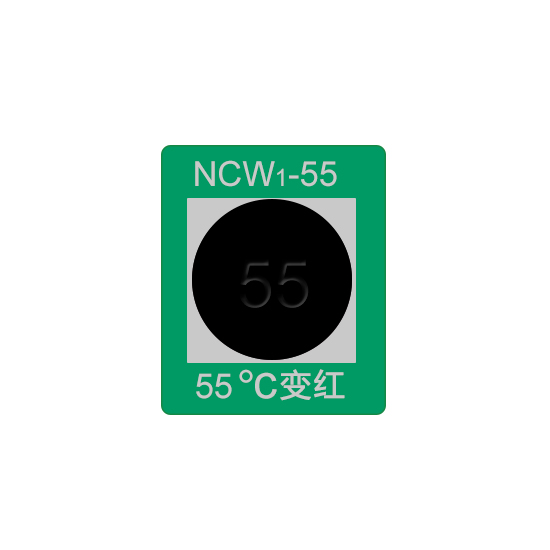
Introduction of Temperature Indicator Labels
What Is a Temperature Indicator Label?
A temperature indicator label is a visual temperature monitoring device that helps detect and record exposure to excessive heat. It provides a simple and effective way to identify whether a product, component, or piece of equipment has reached a specific temperature limit during operation, storage, or transportation.
Unlike electronic temperature monitoring systems that require power supplies, sensors, or data collection equipment, temperature indicator labels offer a compact and economical solution. These self-adhesive indicators can be directly attached to the surface being monitored, allowing users to quickly check temperature conditions through visible color changes.
Temperature indicator labels are generally divided into two main categories: irreversible temperature indicators and reversible temperature indicators. Depending on the product design, they can monitor different temperature ranges and provide instant visual feedback when a preset temperature point is reached.
With advantages such as easy application, fast identification, and reliable temperature monitoring, temperature indicator labels are widely applied in industries including electronics, electrical equipment, transportation, aerospace, railway systems, manufacturing, food processing, and logistics. They help prevent overheating-related failures, improve quality control, and support safer product handling throughout the supply chain.
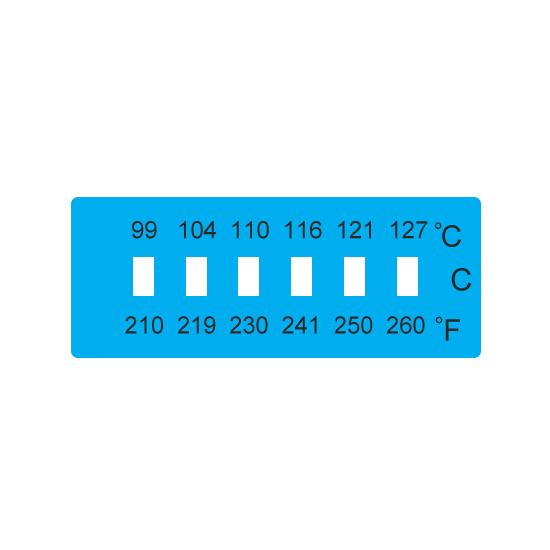
How Do Temperature Indicator Labels Work?
Temperature indicator labels work based on specially developed temperature-sensitive materials that respond when exposed to heat.
When the surrounding temperature reaches the activation point, the indicator changes its appearance, providing a clear visual signal that a specific temperature condition has occurred.
For irreversible temperature indicator labels, the color change remains permanent after activation. This feature allows users to identify whether overheating has happened previously, even if the temperature has returned to normal. These indicators are commonly used for applications where a permanent overheating record is required.
For reversible temperature indicator labels, the color change can return to its original state when the temperature decreases. This makes them suitable for repeated monitoring tasks where users need to observe the current temperature status of equipment or components.
How to Select the Right Temperature Indicator Label?
Selecting the appropriate temperature indicator label requires consideration of the monitoring purpose, operating conditions, and installation requirements. The following factors should be evaluated before choosing a suitable model.
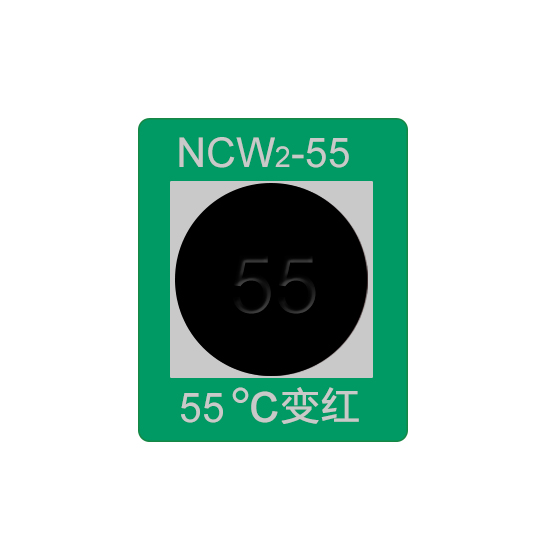
1. Determine Whether You Need an Irreversible or Reversible Indicator
The first consideration is whether the application requires a permanent temperature history or real-time temperature observation.
Irreversible temperature indicator labels are ideal when users need to confirm whether overheating has occurred. Once the monitored surface exceeds the specified temperature threshold, the indicator permanently changes color and provides a visible record of the overheating event. This makes them suitable for transportation monitoring, equipment protection, and quality inspection applications.
Reversible temperature indicator labels are designed for continuous temperature observation. They allow users to repeatedly check whether equipment is operating within the acceptable temperature range and are commonly used for applications requiring regular temperature checks.
Choosing between these two types depends mainly on whether the goal is to record a past overheating event or monitor the current temperature condition.
2. Select the Appropriate Temperature Activation Point
The temperature threshold is another critical factor when choosing a temperature indicator label.
Users should first determine the highest temperature that is considered unacceptable for their products or equipment. The selected indicator should have an activation temperature close to this limit to ensure accurate monitoring.
For example, if a component may suffer performance degradation when exposed to temperatures above 70°C, a temperature indicator label with a suitable 70°C activation point would provide effective protection.
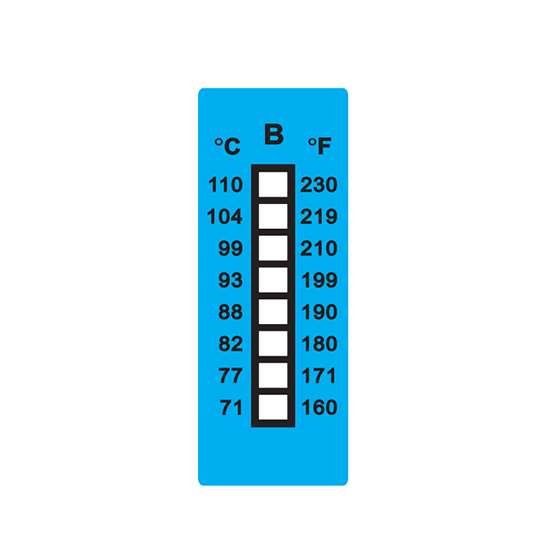
For applications that require monitoring several temperature stages, multi-point temperature indicator labels are available. These indicators contain multiple temperature-sensitive zones and can display different overheating levels, helping users understand the severity and duration of temperature exposure.
3. Choose a Suitable Indicator Size
The installation surface is also an important factor when selecting a temperature indicator label.
The size of the label should be compatible with the available mounting area. A large indicator may not be suitable for small components or limited spaces, while an excessively small indicator may reduce visibility and make inspection more difficult.
Before installation, users should evaluate the available surface area, shape, and accessibility of the monitoring location. Selecting the correct size ensures strong adhesion, clear visibility, and accurate temperature detection.
Benefits of Using Industrial Temperature Indicator Labels
Industrial temperature indicator labels provide an efficient solution for monitoring overheating risks in various industrial environments. Their main advantages include:
Visual Temperature Monitoring: The color-changing function provides an immediate indication of temperature exposure, allowing operators to identify abnormal conditions without specialized equipment.
Simple Installation and Operation: With a self-adhesive backing, temperature indicator labels can be easily attached to equipment surfaces, packages, or components without complex installation procedures.
No External Power Required: Unlike electronic temperature monitoring devices, these indicators operate without batteries or electrical connections, making them suitable for long-term and large-scale applications.
Cost-Effective Temperature Control: Temperature indicator labels provide an affordable monitoring solution, allowing companies to apply multiple indicators across different products or equipment points.
Reliable Overheating Evidence: Irreversible models preserve a permanent visual record after activation, making them useful for quality inspection, transportation monitoring, and failure analysis.
Applications of Temperature Indicator Labels
Due to their flexibility and reliability, temperature indicator labels are used in many industries, including:
– Electrical equipment monitoring – detecting abnormal heat conditions in transformers, motors, and electrical components.
– Industrial equipment protection – identifying overheating risks during machine operation.
– Transportation and logistics – monitoring temperature exposure during shipment.
– Electronics manufacturing – protecting sensitive components from excessive heat.
– Railway and aerospace applications – supporting preventive maintenance and safety inspections.
– Food and supply chain management – ensuring temperature-sensitive products remain within acceptable conditions.
Conclusion
A temperature indicator label is a practical and reliable tool for detecting overheating events and monitoring temperature conditions. By selecting the appropriate indicator type, temperature threshold, and size, users can effectively protect products, improve maintenance efficiency, and reduce risks caused by excessive heat exposure.
Whether the requirement is permanent overheating detection or repeated temperature monitoring, temperature indicator labels provide a simple, visual, and cost-effective solution for industrial temperature management.
YTX Technology is a professional manufacturer specializing in condition monitoring indicators and solutions. We provide a wide range of monitoring products designed to help customers protect valuable equipment, products, and assets during operation, storage, and transportation.
Our product range includes industrial temperature indicators, humidity indicators, impact indicators, and tilt indicators, providing comprehensive condition monitoring solutions for industries such as railway, power systems, logistics, manufacturing, electronics, medical equipment, and precision instruments.
With continuous research and development, YTX is committed to delivering reliable, easy-to-use, and cost-effective monitoring indicators that help customers detect potential risks, improve quality control, and enhance operational safety.
If you are looking for a reliable industrial temperature indicator supplier for your application, YTX can provide customized monitoring solutions according to your specific requirements.
Related Products
WDJ Irreversible Temperature
Indicator
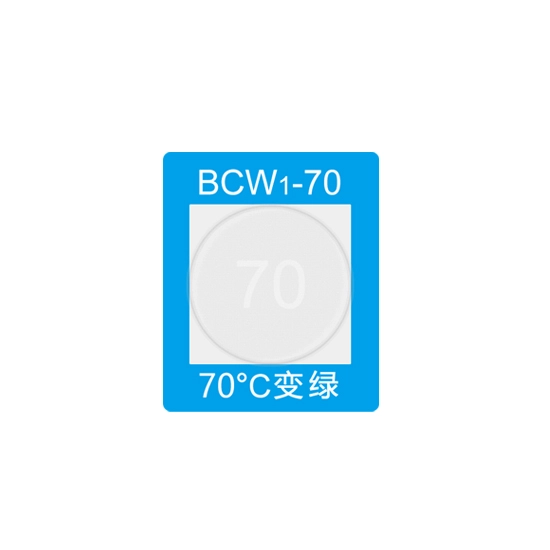
BCW Irreversible Temperature
Indicator