Medical Equipment
Shock Indicators for Medical Equipment: Providing Protection During Transportation and Storage
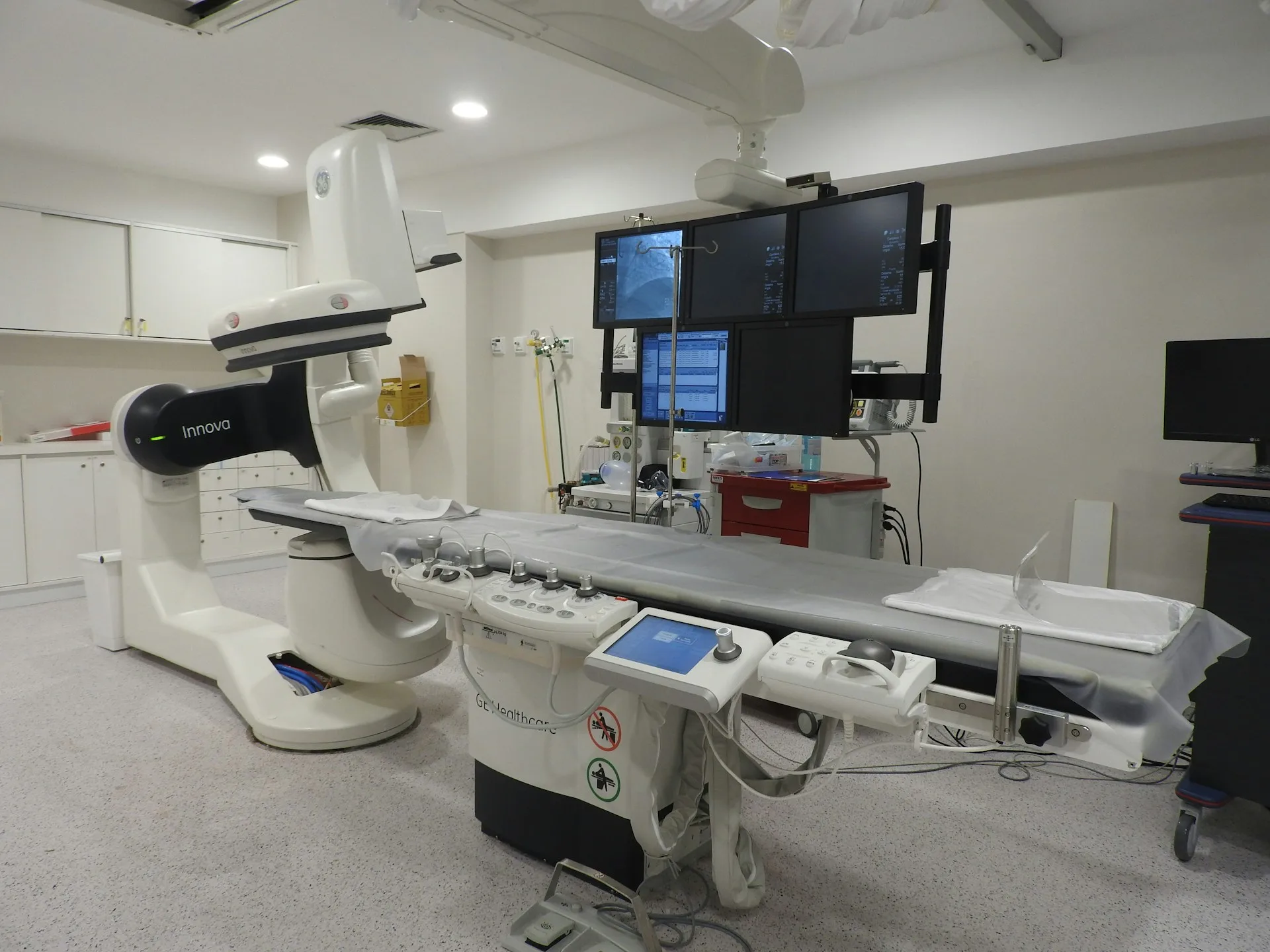
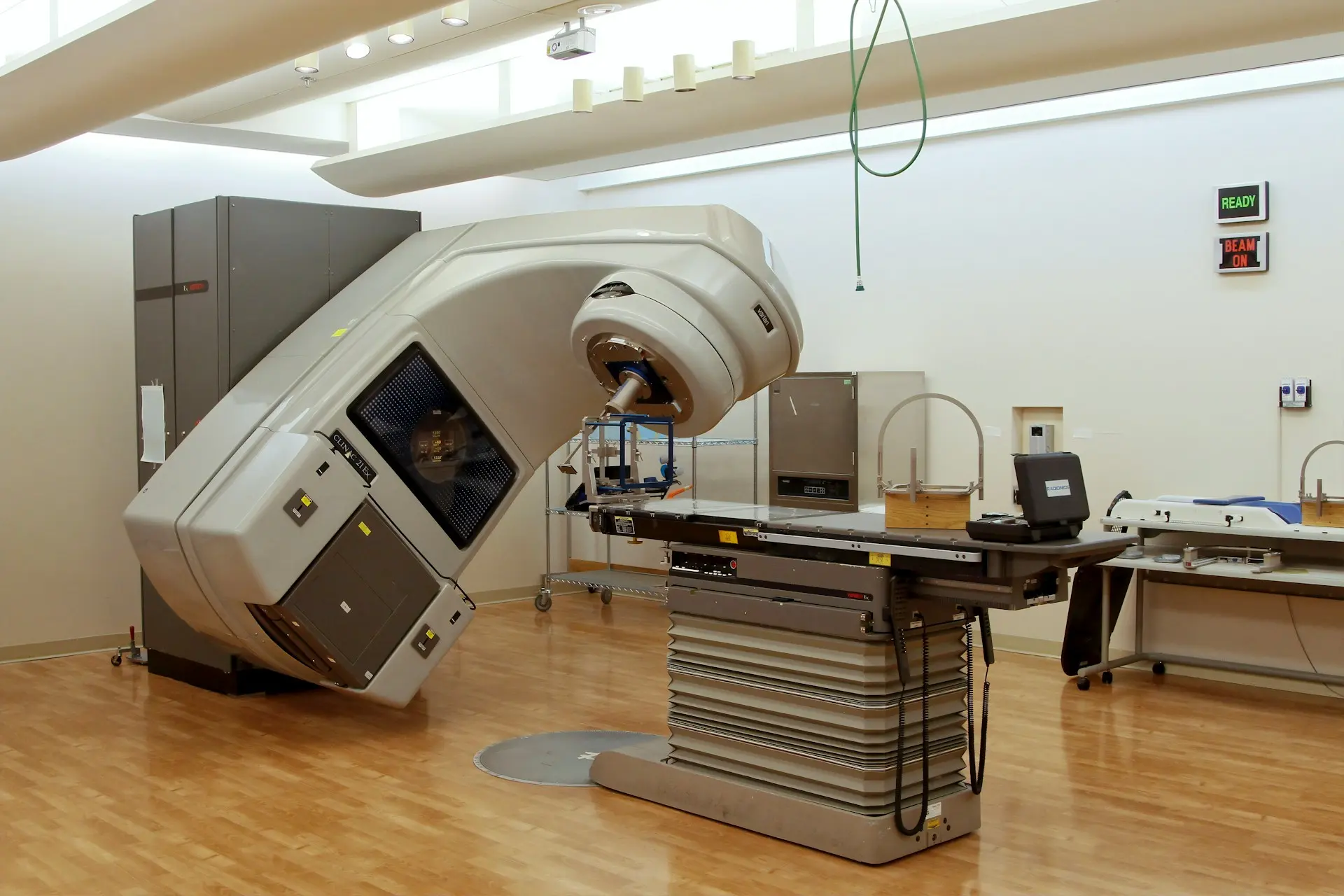
Medical equipment is highly vulnerable to damage during transportation because most medical devices are precision instruments containing sensitive electronic components, glass structures, calibration systems, and delicate internal assemblies. Improper handling during shipping can affect equipment accuracy, performance, and patient safety.
During transit, excessive vibration, shock, impact, tilting, or sudden inertial forces may cause internal component failure, glass breakage, misalignment, or calibration errors. These risks are especially critical for diagnostic systems, laboratory instruments, imaging equipment, monitoring devices, and other high-value medical machines.
Medical equipment designed for hospital environments may also experience operational failures when deployed in mobile medical units, field hospitals, emergency response vehicles, or air evacuation transport. Vibrations and movement during vehicle transportation or flight can negatively affect the stability and reliability of sensitive medical equipment.
To minimize transportation risks, medical devices should always be packed securely, handled carefully, and transported according to the instructions shown on the outer packaging. Stable placement, proper cushioning, and professional handling procedures are essential throughout the logistics process. Enclosed box trucks and controlled transportation environments are strongly recommended to improve shipment safety and reduce exposure to external damage.
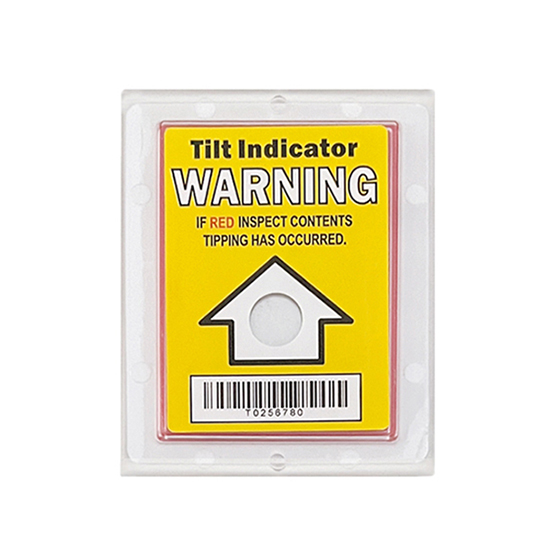
Impact indicators and tilt indicators provide an effective solution for monitoring mishandling during transportation. These shipment monitoring devices help detect drops, shocks, excessive vibration, and improper tilting throughout the supply chain. When the shipment reaches its destination, receivers can quickly inspect whether the indicators have been activated, helping identify possible handling issues during transit.
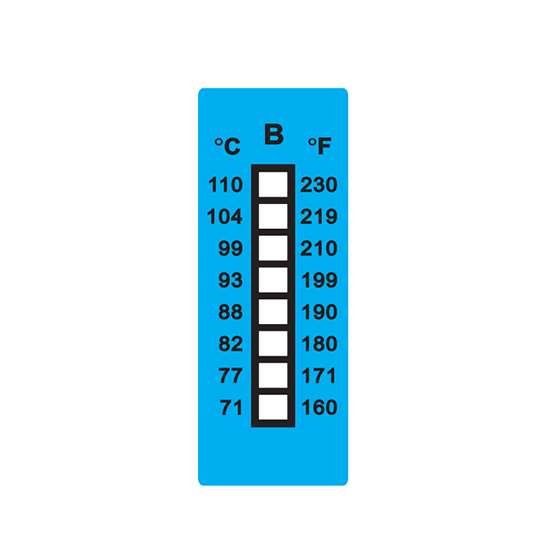
For temperature-sensitive and humidity-sensitive medical equipment, additional environmental monitoring is equally important. Temperature indicators and humidity indicators help monitor storage and transportation conditions, ensuring that medical devices remain within safe environmental ranges during shipping and warehousing.
By integrating impact, tilt, temperature, and humidity indicators into medical equipment logistics, companies can improve transportation visibility, reduce shipping damage, protect sensitive medical devices, and ensure equipment safety, reliability, and regulatory compliance.
Related Products

Impact Indicator
Tilt Indicator
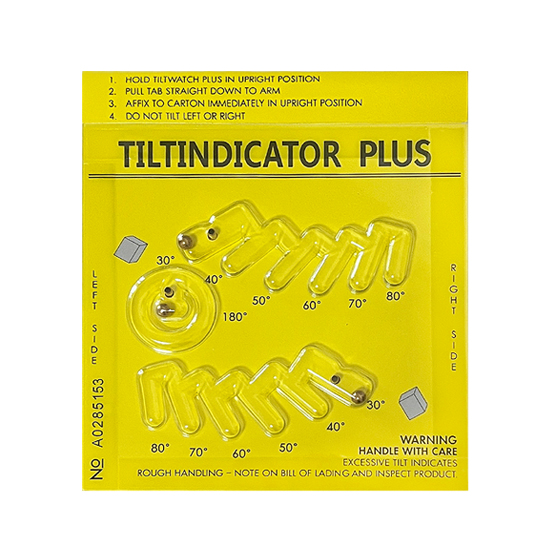
Tilt Indicator Plus