Precautions for Safe Transportation of Precision Instruments
Precision instruments are highly sensitive to shock, vibration, tilting, and environmental changes during transit. Safe transportation of precision instruments requires proper packaging, reliable protection methods, and effective monitoring solutions to ensure equipment arrives safely and maintains its original performance. Whether packaging is completed by the shipper or a professional packaging provider, selecting the right materials and protective solutions is critical.
Common packaging materials for precision instruments include wooden crates, corrugated cartons, foam inserts, EPE pearl cotton, stretch film, protective boards, and industrial sealing tapes.
Industry experience shows that many companies discard or sell original equipment packaging after installation. When relocation or transportation becomes necessary, they often struggle to find suitable packaging. Oversized or undersized boxes can significantly increase the risk of damage, resulting in costly repairs, delays, and operational disruptions. Therefore, selecting a professional packaging solution is an important step toward achieving safe transportation of precision instruments.
1. Choose the Right Packaging Structure
Precision instrument packaging can generally be divided into two categories:
Large Equipment Transport Crates
Large precision equipment is typically protected using heavy-duty transport or lifting crates. These crates are commonly constructed with 18 mm plywood reinforced by aluminum alloy frames. Steel-reinforced bases allow safe lifting and handling during loading and unloading operations.
Such packaging provides excellent structural strength and is widely used for industrial machinery, laboratory equipment, medical devices, and other high-value assets.
Aluminum Alloy Instrument Cases
Aluminum alloy cases are suitable for smaller precision instruments, testing equipment, tools, and electronic devices. Depending on the weight and size of the equipment, the case body can be manufactured using 6 mm, 7 mm, or 9 mm plywood panels.
Custom compartments can be added to organize accessories, cables, and components. CNC-cut EVA foam inserts can also be designed to match the exact shape of the instrument, providing superior shock absorption and preventing movement during transportation.
2. Enhance Internal Protection
Packaging design should be tailored to the characteristics of the equipment. Internal partitions, access openings, cable doors, and other customized features can improve usability and protection.
EVA foam is widely used as an interior cushioning material due to its:
– Excellent shock absorption
– Lightweight construction
– Moisture resistance
– Thermal insulation properties
– Anti-oxidation performance
– Long-term durability
For easier handling, wooden skids or caster wheels can be installed on the bottom of transport crates.
A well-designed packaging system not only protects valuable equipment from physical damage but also improves transportation efficiency and simplifies installation at the destination. For companies handling sensitive equipment, internal cushioning design plays a crucial role in safe transportation of precision instruments, especially when shipments are exposed to vibration, impact, or long-distance transportation conditions.
3. Monitor Transportation Conditions for Safe Transportation of Precision Instruments
Even the best packaging cannot completely eliminate transportation risks. During the transportation of precision instruments, unexpected shocks, tilting incidents, or improper handling may still occur. Therefore, transportation monitoring solutions are essential for achieving safer and more reliable delivery.
Common monitoring solutions include:
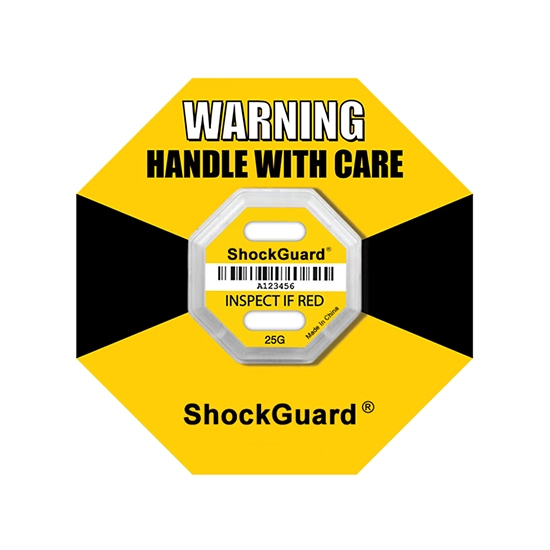
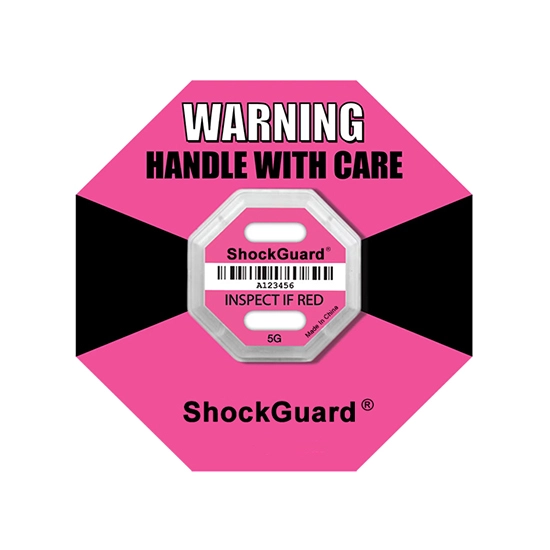
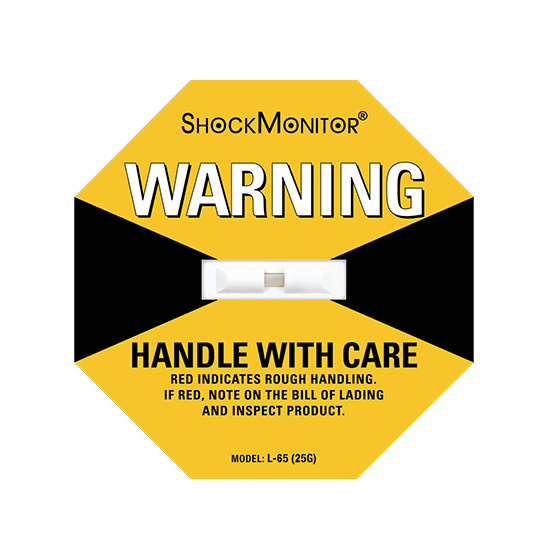
– Impact Indicators
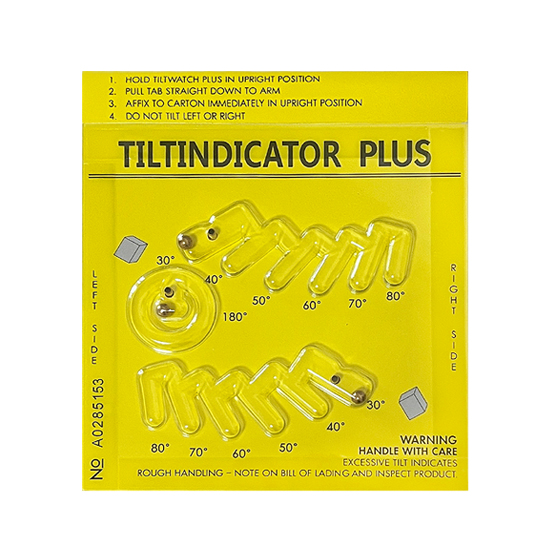
– Tilt Indicators
These devices provide visible evidence of mishandling and alert carriers that the shipment requires special care. Their presence often encourages more careful handling throughout the logistics process.
For precision instruments, impact and tilt indicators are particularly effective because they can immediately reveal whether a package has experienced excessive shock or improper orientation during transit. This allows recipients to inspect equipment before acceptance and helps identify handling issues within the supply chain.
4. Protect High-Value Equipment Throughout the Supply Chain
Precision instruments often represent significant investments and are critical to business operations. Achieving safe transportation of precision instruments helps companies reduce equipment damage, avoid unexpected downtime, and maintain operational efficiency throughout the supply chain. Proper packaging combined with transportation monitoring solutions can greatly reduce the risk of damage, downtime, and unexpected replacement costs.
At YTX Technology, we specialize in transportation condition monitoring solutions designed to help businesses protect valuable shipments and improve supply chain visibility. Since 2014, we have been developing and manufacturing reliable monitoring products, including:
– Impact Indicators
– Tilt Indicators
– Temperature Indicators
– Humidity Indicators
Our products are used worldwide across industries such as electronics, medical equipment, aerospace, manufacturing, logistics, and industrial automation. These solutions support safe transportation of precision instruments by reducing transportation damage, improving shipment accountability, and providing better visibility throughout the supply chain.
If you would like to learn more about protecting precision instruments during transportation, please feel free to contact our team.
Related Products
Shock Indicator
Impact Indicator
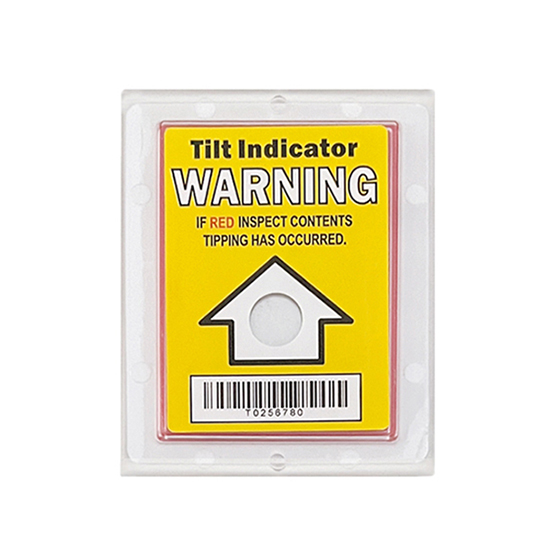
Tilt Indicator Plus